Every year, governments and development organisations pour millions of rupees into awareness campaigns. Posters go up. PSAs air on prime time. Influencers post. And then, by and large, behaviour does not change.
This is the uncomfortable truth that anyone who has worked seriously in Communication for Development eventually confronts. Information is necessary. It is almost never sufficient.
"We have never had more information. We have never been less sure it changes anything."
The assumption embedded in most campaigns is essentially rational: if people know the risks of irregular migration, or the dangers of vaccine hesitancy, or the value of girls' education, they will act accordingly. But human beings do not work that way. We are social animals, shaped by identity, community, emotion, and habit long before we are shaped by facts.
The knowledge-action gap
Behavioural science has spent decades documenting what practitioners have long known intuitively: the distance between knowing something and doing something is vast, and it is not bridged by more information.
The COM-B model, developed by researchers at University College London, offers a useful framework. For any behaviour to occur, a person needs Capability (the skills and knowledge to act), Opportunity (the environmental and social conditions that make action possible), and Motivation (the psychological drivers that make them want to act). Most campaigns address capability alone. They tell people what to do. They rarely ask whether the person has the opportunity to do it, or whether the behaviour aligns with who they believe themselves to be.
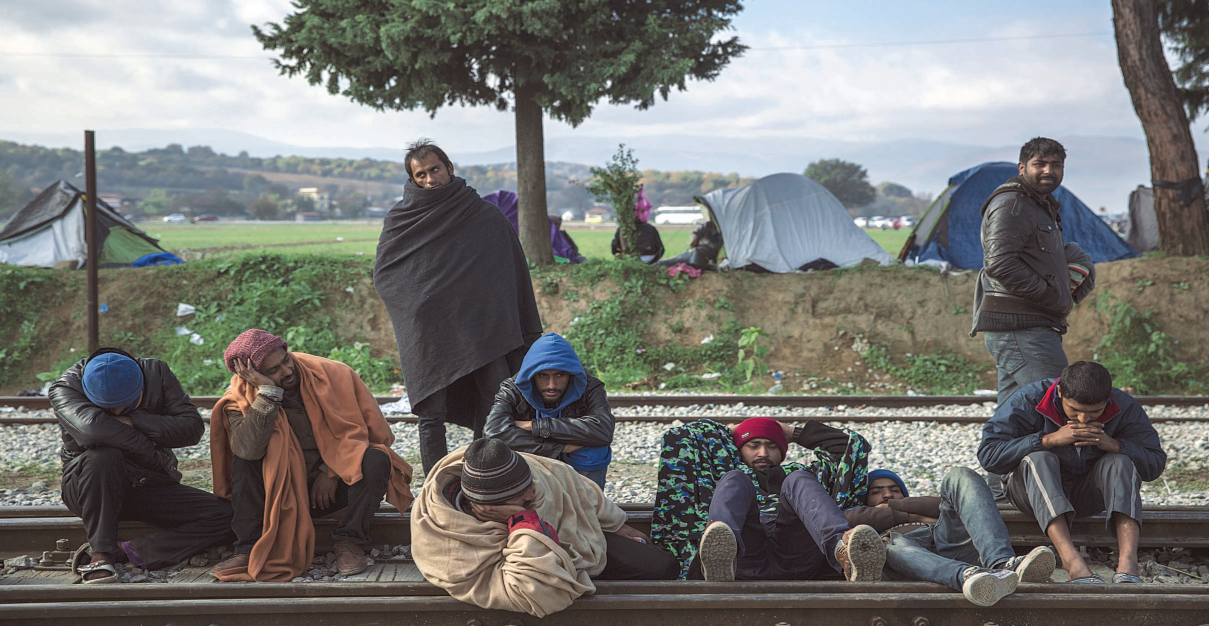
In Pakistan, this gap is especially pronounced. A young man in Gujrat who knows intellectually that irregular migration through Libya is dangerous will still attempt the crossing if his peer group frames it as courage, his family frames it as sacrifice, and the alternative is remaining in a community where unemployment reads as failure. Information does not compete with identity. It cannot.
What actually moves people
At Cirrus, our work on the Pervaaz campaign under the EU-funded SAFER Project taught us several things that no research brief had quite captured. Youth in the target communities did not want to be warned. They wanted to be respected. They wanted to see versions of themselves on screen who had found dignity through pathways they had not considered, not cautionary tales about what happens when you trust a smuggler.
The campaign shifted its frame accordingly. Rather than leading with risk, it led with aspiration. Rather than telling young men what not to do, it showed them what was possible. And rather than broadcasting uniformly, it used micro-targeted storytelling in regional dialects, with influencers who had genuine credibility within specific communities in Sindh, Punjab, and KPK.
The reach figures, 8.4 million people, were significant. But more important was the evidence of attitude shift among those who engaged deeply with the content. That shift did not come from the information. It came from resonance.
Designing for identity, not just awareness
The practical implication for anyone commissioning or designing behaviour change communication is straightforward, even if it is not easy to execute. The first question is not 'What do we want people to know?' It is 'Who do people believe they are, and what does this behaviour mean within that identity?'
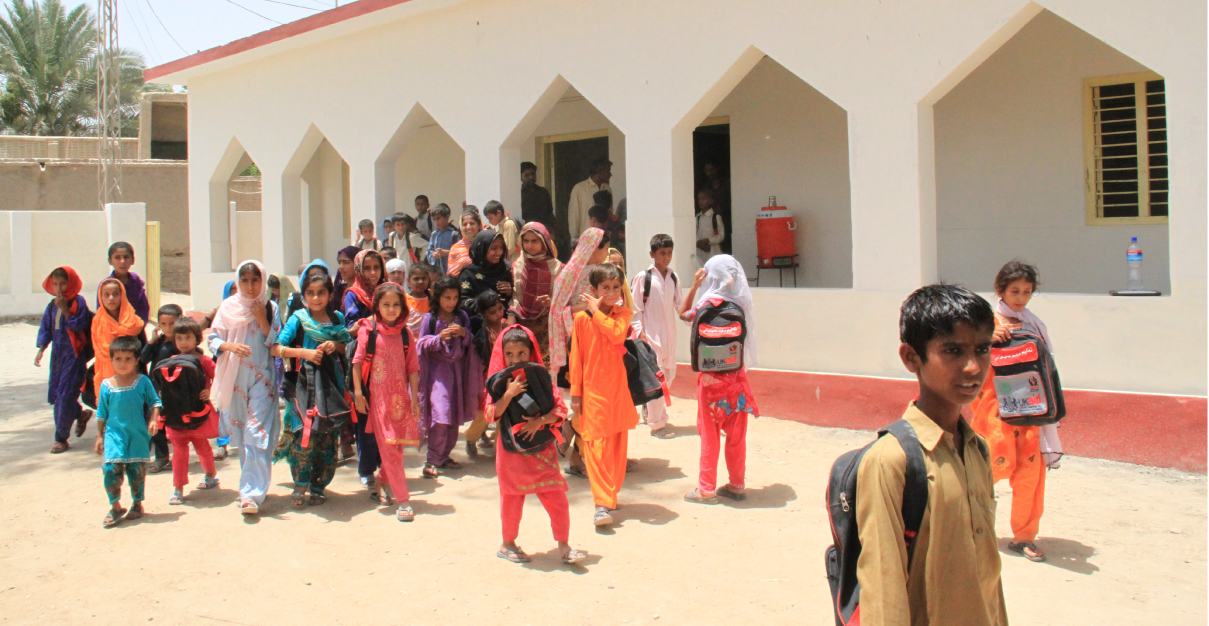
A girl who does not attend secondary school in rural Punjab is not, in most cases, unaware that education is valuable. She is navigating a family economy, a social expectation, and a set of community norms that make attendance feel risky or simply impractical. Information about the returns to education will not move her. A programme that shifts the social norm around educated girls in her specific community context might.
This is not a counsel of despair. It is a call for honesty about what communication can and cannot do on its own, and for investing in the complementary conditions, opportunity structures, community engagement, and identity-level narrative work, that make behaviour change possible at scale.
"Real change requires identity-level resonance, not just information delivery."
The future of effective social communication in Pakistan lies not in louder campaigns, but in deeper ones. In work that earns the right to be heard before it asks to be believed.
About the Author
Haris Naveed is Co-Founder of Cirrus Pakistan, where he designs behaviour change, learning, and communication interventions for governments, UN agencies, and development partners. He is particularly interested in understanding why awareness alone rarely leads to action.